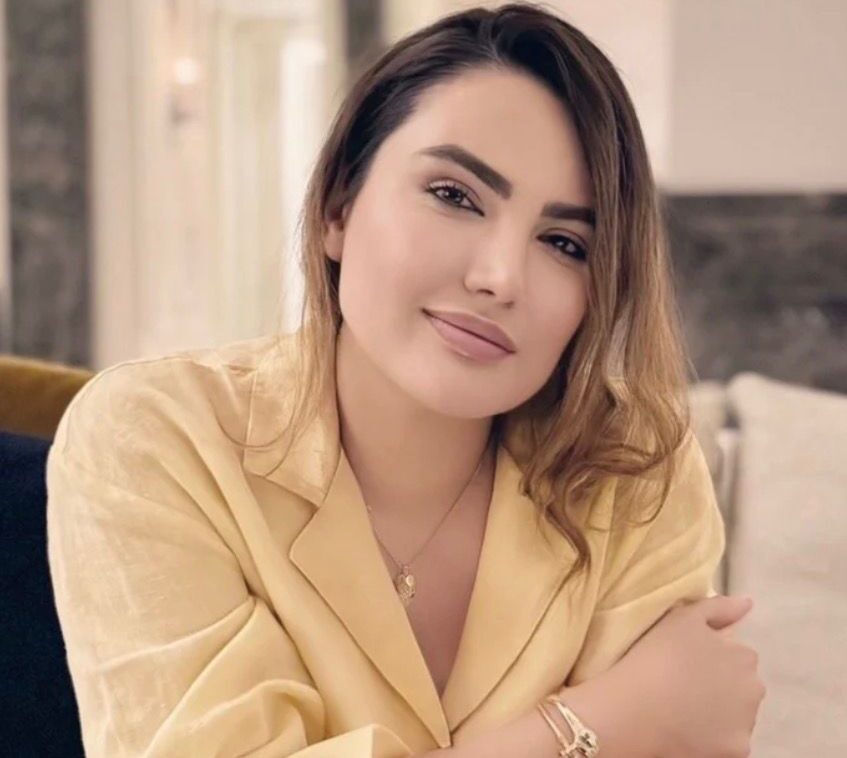
Maryam Ebrahimvand is an Iranian filmmaker and writer who began her professional career in Iranian cinema at the age of 18. From the outset, her work has focused on social issues, with particular attention to women, children, and the structures of power, repression, and structural violence.
At the age of 22, she directed her first feature film, Girls’ Dormitory, which addressed sensitive issues related to the condition of women in Iranian society and received international festival attention. A few years later, she directed September 24, a socially and politically critical film that offered a direct critique of power structures in Iran and subsequently provoked severe backlash from state and security institutions.
In 2017, at the age of 26, Maryam Ebrahimvand registered as a candidate in Iran’s presidential election as an act of political protest against the Constitution of the Islamic Republic and the structural exclusion of women from political power. This act was not intended as a bid for office, but as a symbolic challenge to the legal and political system that bars women from the highest levels of decision-making.
As a result of her artistic and civic activities, she was arrested, subjected to security pressure, and sentenced to three years in prison on fabricated political charges. Her experience of imprisonment marked a turning point in her intellectual and artistic trajectory, profoundly reshaping her approach to cinema, politics, the human body, and the concept of resistance.
Following her release, Maryam Ebrahimvand was forced to leave Iran and continue her artistic practice in exile. Her recent works and ongoing projects explore themes such as captivity, life under repression, the female body as a site of power, structural violence, and forms of individual resistance, with a strong emphasis on lived experience and silenced narratives.
Alongside her filmmaking practice, she explains and analyzes one political book every day in accessible, colloquial language for a general audience on her digital platforms, including Instagram and YouTube. The aim of this work is to expand individual political awareness, grounded in the belief that informed individuals can respond consciously to current political conditions and inequalities, build intellectual solidarity with others, and transform individual awareness into collective consciousness. She considers this practice her personal form of resistance in the struggle for freedom—resistance rooted in knowledge, critical thinking, and the reclamation of intellectual agency.
She is currently based in Paris, where she is developing film, docu-fiction, and research-based projects focused on human rights, lived experience, body politics, and suppressed narratives.